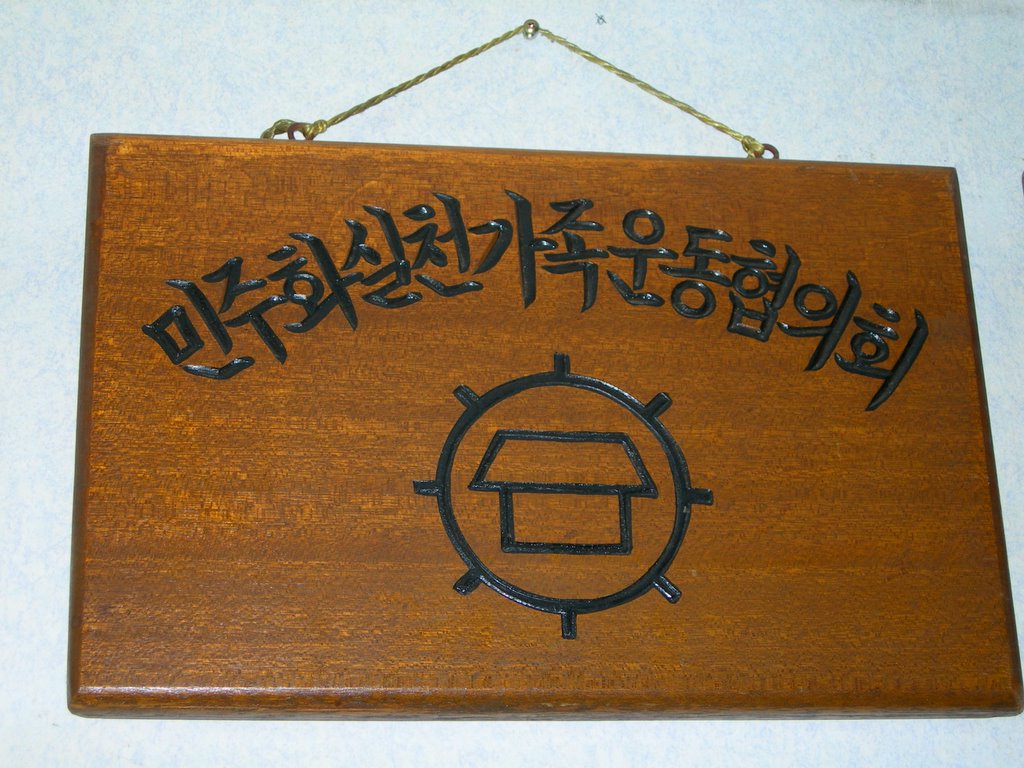

Mus and Agnes made an arrangement for a meeting at Minkhayup Human Rights Group. It was Ms. Ji-yeon Han who received us at their office. She was the only person who could communicate in English. Their office is run by a four-woman team.
On the low table where we sat down with her was a Korean-English dictionary.
We asked her several questions and found out the services and activities that they are doing. Basically their main focus is doing work with political prisoners which they call prisoner of conscience, most of them are political and labor leaders, student activists, etc.
They also conduct advocacy against the National Security Law. They have student volunteers who occasionally help them in their work. Among the significant tasks the organization is doing for prisoners is publication of newsletter/magazine for them. They also do letter writing for prisoners. 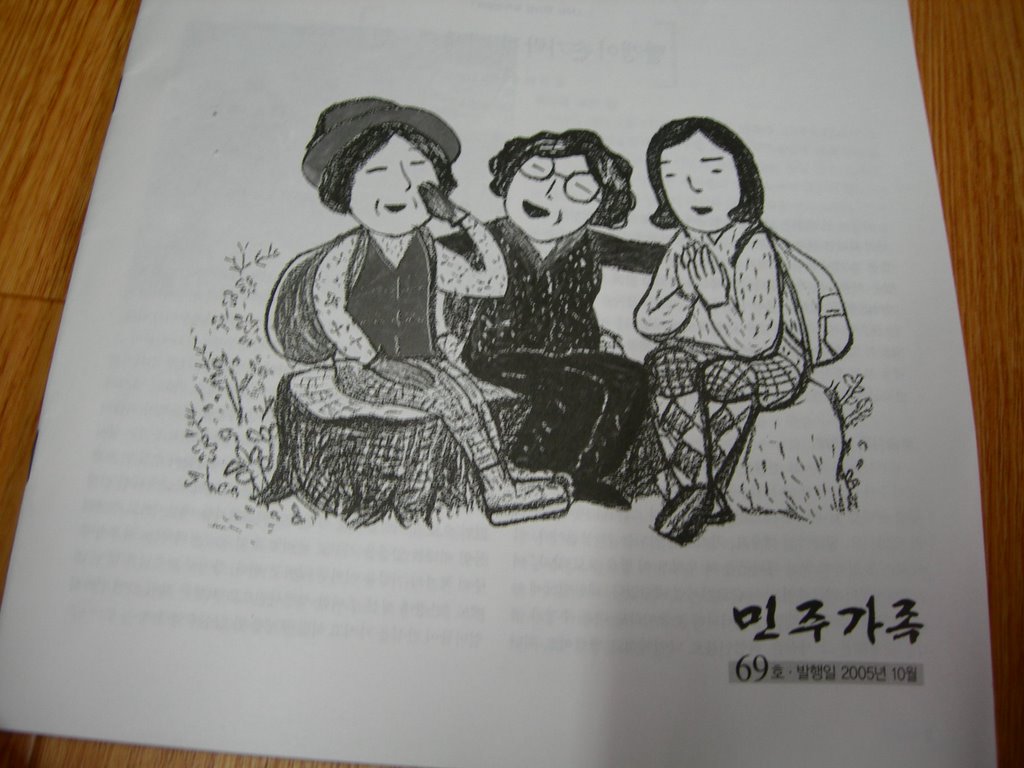


We were told that in 1985 there were at least more than 1,000 prisoners. Today there are only more than 70 who are accused of violating the National Security Law. For last year there were only 3 new prisoners accused of the same crime. Mostly labor and student leaders.
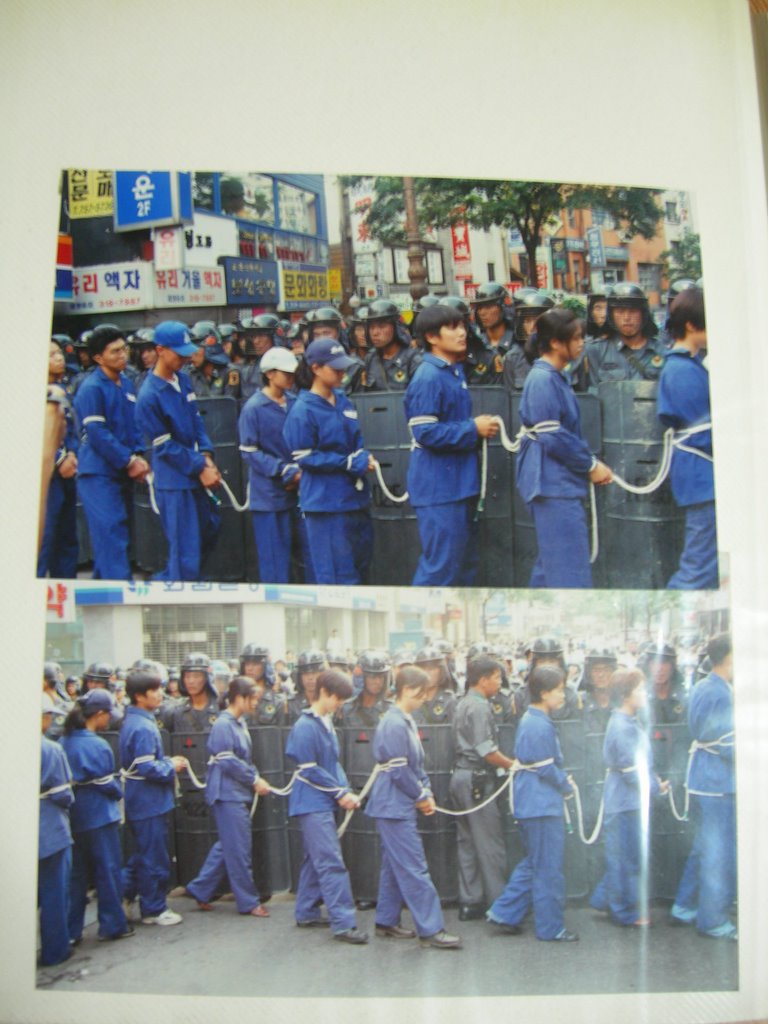
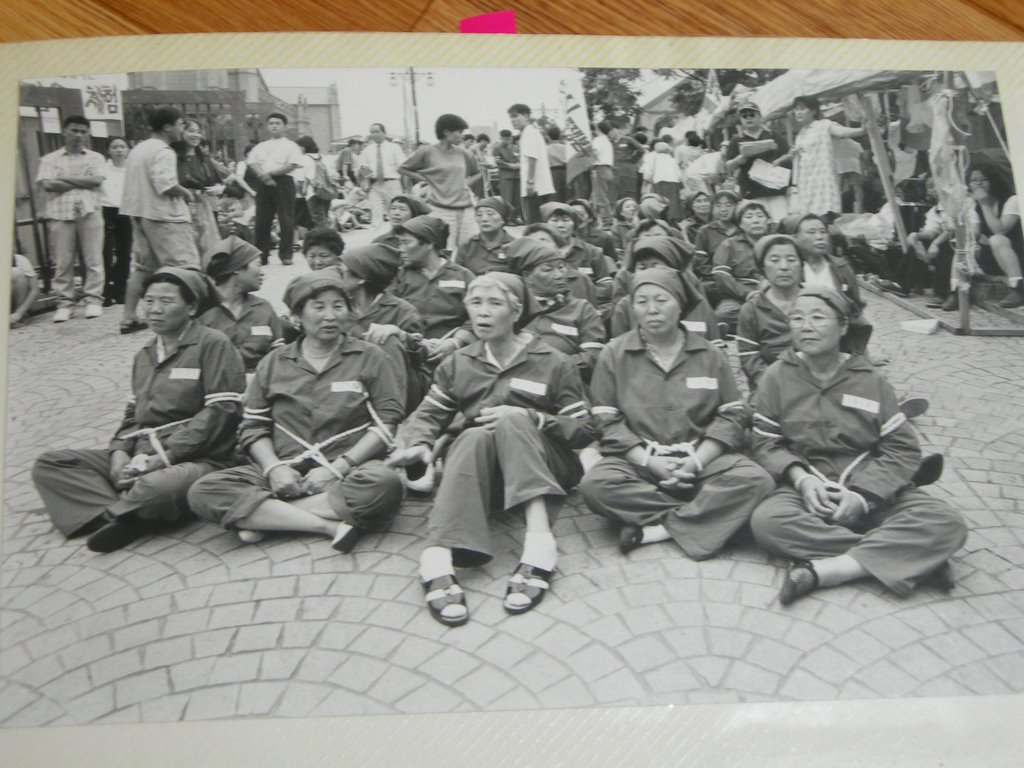
The organization continue to conduct rallies every Thursday to protest on different issues like eviction, human rights, women rights, national security law, etc. The rallies are held in different locations such as Parliament, Universities, Court of Justice etc. Mostly mothers of previous prisoners continue to join the rallies. Students also give their support during their mobilizations.
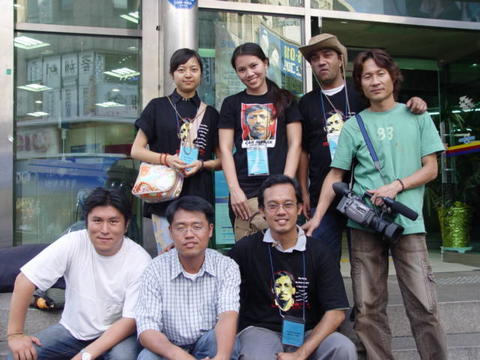
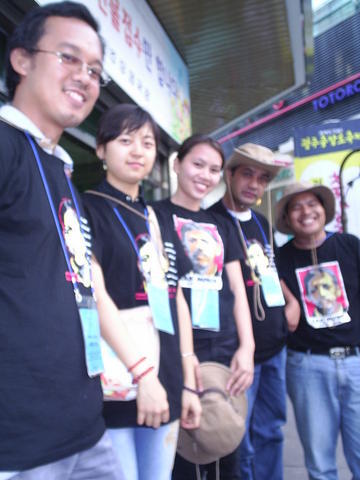
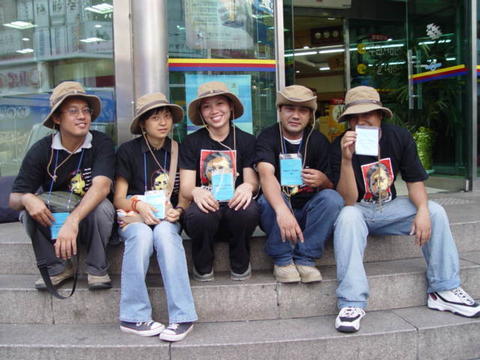
We took several pictures of the campaign that Minkhayup have done in the past that are shown in this blog entry.

Monday, February 27, 2006
Visit to Minkhayup


Saturday, February 25, 2006
MATAHARIKUH KEKASIHKUH: Last Dinner Together in The End of 2005
MATAHARIKUH KEKASIHKUH: Last Dinner Together in The End of 2005
I blog this - a button found at Agnes's blog. So it was posted here. Enjoy reading her blog especially if you have facility in understanding Bahasa Indonesia.
Tuesday, February 07, 2006
FAQ on the Gwangju International Internship Program on Human Rights 2006
1. What is the May 18 Memorial Foundation?
The May 18 Memorial Foundation was founded with the funds from Gwangju citizens, sympathetic overseas Koreans, and from individuals who sacrificed and got indemnification from the government. It was created on August 30, 1994 by people who believe it’s important to keep the ideas and memories of the 1980 May 18 Gwangju Democratic Uprising alive and remembered.
2. What is the Gwangju International Internship Program on Human Rights?
The International Internship Program on Human Rights is under the May 18 Memorial Foundation’s General Affairs Department International Solidarity program. The International Internship Program on Human Rights was created to contribute to the development of democracy and human rights throughout Asia. It is also an opportunity for interns to learn and experience the history and process of the development of human rights and democracy in South Korea. Specifically the purpose and aim of the program are the following: 1) To improve International Solidarity and 2) To promote Gwangju as Asia’s Hub for Human Rights Movement.
3. How will it be conducted?
The International Internship Programme will introduce the interns to Korean history in general and in particular to the movements and struggle for democracy, including the 1980 Gwangju Democratic Uprising. Both theoretical learning and practical experiences such as lectures, seminars, discussions, interviews and fieldtrips to the sites of democratization movements in Korea will be utilized.
4. What will be the tasks and assignments of the interns?
The interns will be assigned to the International Solidarity Program of the General Affairs Department of the Foundation. They are expected to work as regular staff attending to day-to-day office business. The interns will help implement preparatory work for different events; make presentations to schools when invited; and perform other tasks the Department will assign them to undertake. Each intern will be asked to select a research topic, conduct the relevant research, and deliver a presentation at the end of their internship program.
5. Who will be recruited for the International Internship Program?
Four interns, two males and females from all over the world will be recruited. They should be NGO workers or activists who have been working on the issues of human rights, democracy and peace in their own countries. They should able to work with others of different nationalities and cultural backgrounds.
6. What are the criteria of recruitment for the International Internship Program?
a. Applicant should not be more than 35 years of age.
b. Have more than 3 years experience of NGO work on the issues of human rights, democracy and peace.
c. Must be proficient in English and working knowledge of Korean is an advantage. Intern must be computer literate.
d. Willing to stay in Korea for at least 10 months (May 2006-February 2007).
7. What are the processes of application?
a. Announcement will be sent by January 2006 and deadline will be on 20 March 2006. The result will be released by April and the internship program will start on the month of May.
b. Applicants should submit a duly filled-out form via email to the May 18 Memorial Foundation.
c. The foundation’s screening committee will assess and evaluate all applicants. And the
y will decide those who will join the International Internship Program.
d) Application form can be downloaded in the English section of 518.org website.
8. Where will be the place or location of internship?
Interns will be based at the office of The May 18 Memorial Foundation located at Seo-gu, Sangmudong, Gwangju City, Republic of Korea.
9. What are the compensation and benefits given to interns?
The May 18 Memorial Foundation will provide an intern 600,000 won or approximately US$ 600 allowance per month. It will cover the costs of their economy class return air tickets. Two female and two male interns will separately share a single large room or flat equipped with a kitchen and shower or toilet facilities. The semi-furnished room will also have a telephone, cable TV and internet access. In addition, interns will be entitled to a health insurance and official paid vacations or holidays.
10. Whom to submit the application?
Duly filled out application form can be submitted by email to the contact below. Please contact us for otherinformation and details :
Mr. Chanho Kim
Director, International Solidarity Program
General Affairs Department
The May 18 Memorial Foundation
5.18 Memorial Culture Hall
Seo-Gu Sangmudong 1268
Gwangju 502-260
Republic of Korea
Phone: +82 62 456 0518
Fax. +82 62 456 0519
Mobile: +82 10 4642 6650
E: surnadal@hanmail.net
W: www.518.org
Pete E. Rahon
Co-coordinator for International Internship Program
(Philippines, CO Multiversity)
E: may18found@gmail.com / may18interns@gmail.com
W: www.518.org
Blog:518interns.blogspot.com / 518folkschool.blogspot.com
Wednesday, February 01, 2006
The May 18 Memorial Foundation Revs up International Solidarity Program
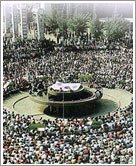

Recognizing the magnitude of globalization and the overarching influence of information and communications technology, international solidarity gets highlighted as response to these global phenomena. International solidarity is one of the core tasks identified by The May 18 Memorial Foundation. It envisions an international solidarity with other countries and organizations based on common goals and mutual interests of promoting the spirit of May 18 Gwangju Democratic Uprising; advocating for human rights; and protecting the gains of peace and democracy.
The International Solidarity Program shall focus on partnership, participation, exchange and networking with civil society groups of Asia and the rest of the world. Particularly it will conduct: 1) regular exchange of experience and expertise with government, human rights institutions, democracy, peace and other civil society groups in Asia; 2) establish a proactive mechanism for collective action and coordination (education, campaign, and programs for social dialogues and action and address equity issues like gender equality and equal participation); 3) conduct activities and hosts forums that introduces international issues and participate in international conferences and gatherings abroad; 4) build bridges of communications among the civil society of Asia and the rest of the globe through the internet and publication of journals, newsletters, brochures and books both in Korean and English; and 5) facilitate the exchange of experiences and technology (expertise, know-how and human resources) that goes beyond simple financial support.
Since 2000, the foundation has been awarding the Gwangju Prize for Human Rights, sending its volunteers abroad for internship, providing support for non-government organizations, conducting the Gwangju International Peace Camps, and introducing Korean Democracy especially to Korean youth born abroad.
In 2005, the foundation added new activities such as the International Internship Program on Human Rights, where human rights activist are invited to learn the history and experience of Korean democratization and help promote International Solidarity; Asian Partners Study Visit and Exchange, committee members and officers of the foundation visit and learn from its partner organizations; and the Gwangju Forum for Asian Human Rights, that endeavors to dialogue and forge solidarity between and among public officials of National Human Rights institutions, human rights activists of Non-government Organizations (NGOs), academe and other civil society groups.
For this year, these activities will be continued, according to General Affairs Director Chanho Kim. He believes that through The May 18 - International Solidarity Program the spirit of May 18 will be promoted and Gwangju's role and contribution to international peace, human rights and democracy will be highlighted. He invites individuals, journalists, civil society groups and organizations to join and support the foundation in commemorating and celebrating these programs and activities. Mr. Kim added that detailed information about these activities can be downloaded from the English section of their website at www.518.org.
Contact:
Chanho, Kim
Director International Solidarity
General Affairs Department
Email: surnadal@hanmail.net, 518org@gmail.com, may18found@gmail.com
Mobile: +82 10 4462 6650
The May 18 Memorial Foundation
5.18 Memorial Culture Hall
Seo-Gu Sangmudong 1268 Gwangju 502-260
Republic of Korea
Phone: +82 62 456 0518 Fax. +82 62 456 0519
Website: www.518.org
Friday, October 28, 2005
Meet our Interns
For the residents of Gwangju and to most Koreans, May 18, 1980 is a sacred day. It was this date that people offered their lives for democracy. The May 18 Memorial Foundation is an expression to commemorate and continue the spirit of struggle and solidarity for peace and human rights throughout the world. Also, it aims for the peaceful reunification of Korea.
Since its establishment in 1994 as a non-profit organization by the surviving victims of the uprising and the rest of Gwangju citizenry, the foundation has carried out numerous projects that include organizing memorial events, establishing scholarships, fostering research, disseminating public information, publishing relevant materials, dispensing charity and welfare benefits, building international solidarity, and awarding the Gwangju Human Rights Prize.
For the first time the foundation is sponsoring an International Internship Program on Human Rights. The goals of the program are: to improve efficiency of International Solidarity Task by recruiting human rights organizations, activists, researchers in Asia, America and Europe and to promote Gwangju as an Asian Human Rights Movement hub. Also, the internship program is seen to contribute to the development of democracy and human rights throughout Asia. Interns will be given a chance to learn about and experience the history and process of the development of human rights and democracy in South Korea. They will be conducting researches and public presentation on topics related to human rights, peace and democracy.
The foundation has five interns from four different countries that include Nepal, China, Indonesia and the Philippines. These interns are NGO workers and human rights activist in their countries and will attend the program for the next 10 months that will culminate in May 2006. 
From Nepal our intern is Mr. Ram Prasad Sharma. He is the first among the interns to arrive in Gwangju City last May 2005. He has been working Advocacy Forum, Nepal since 2001 as a Advocate Legal Officer. His main responsibilities are monitoring detention centre and make detainees aware of their legal and human rights. He also documents cases of extra judicial killing, disappearances, abduction and torture from both the state and rebels groups. He also provides legal aid for detainees by filing the habeas corpus case in courts in their favor them. To get to know more about Mr. Sharma please follow link to Q&A with Interns.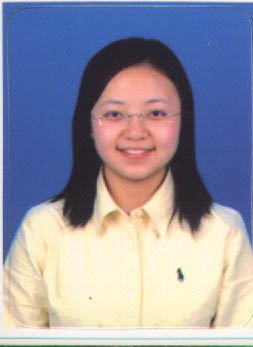 Our Chinese intern is Ms. Xiaolin Pan, a graduate student of International Law at Peking University Law School. She is a member of the university’s Research Center of Human Rights Law School (www.hrol.org). The Research Center publishes periodicals and journals on international treaties, conferences proceedings and other basic information on human rights. The center also offers a Master’s Degree Program on Human Rights and Humanitarian Law in cooperation with the Raoul Wallenberg Institute (RWI) of Lund University of Sweden.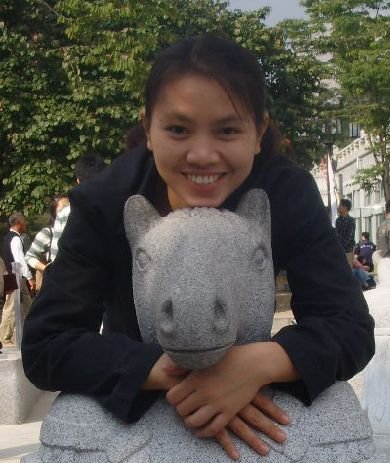
Indonesian representatives are Ms. Agnes Theodora Gurning of IKOHI and Mr. Mustawalad of KontraS. Ms. Gurning is coordinator of their organization’s Data Base Division. IKOHI is a human rights victim- based organization that has three main programs campaigns, members’ empowerment (social, economic, psychological counseling) and data base. Their organization hopes that she will accumulate wealth of experience from the Korean internship programme. She will be in-charge with International Networking on Human Rights when she returns to Indonesia.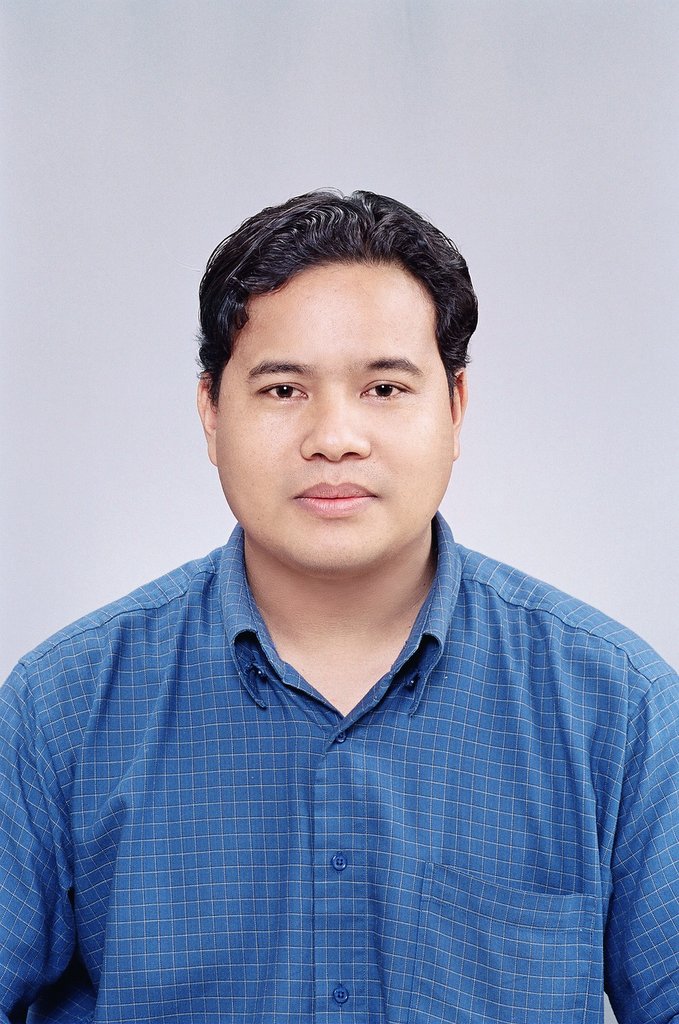
Mr. Mustawalad came from Aceh where he work for KontraS as a investigation, data base and research officer. He has been with the organization since 1998 but was transferred to Jakarta in 2003 when martial law was declared in Aceh. Military prevented NGOs like KontraS in doing their job especially monitoring human rights abuses. With the signing of Memorandum of Understanding (MOU) between Free Aceh Movement (GAM), and the Government of Indonesia (GoI) last 15 August 2005, at Helsinki, Finland, he looks forward of walking again freely in his beloved native land. He is interested to learn the Korean experience of sending high profile human rights violators to court, awarding compensation and delivering justice to human rights victims and various campaign strategies that will help facilitate peace process and development in Aceh. 
The invitation to Philippines was extended to the Community Organizers Multiversity (CO Multiversity). A non-government organization (NGO) that seeks to enhance the capacities of community organizers, people’s organizations and other development organizations by creating and nurturing innovative, culturally-sensitive and empowering community processes in partnership with other stakeholders. With its enhanced programs, CO Multiversity aims to achieve and carry out its distinct role and mission in empowering among others marginalized communities. CO Multiversity sent last July 8, 2005 Mr. Pedro E. Rahon, a program assistant staff to join the internship program. As an intern he will be doing researches on the plight of Filipino migrant workers in Korea, Filipinas married to Koreans, and the Philippines-Korean lessons and experiences in solidarity and study exchanges.
(Note: this article was made a long time ago and never got posted online so it is posted here)
Sunday, September 25, 2005
Fare- WELL ! Ram


Ram is leaving us, Fare- WELL !
It is really sad to say goodbye, but life has to go on, people moves on, on and on and ….
Tonite,25 September 2005, Ram will go back to Nepal after more than 5 months of stay here in Gwangju City, Repubic of Korea.I made interview of Ram for an online publication but up until now is not yet posted, so I think I have to post if here as a tribute to our friend and co-intern Ram Prasad Sharma.
The interview:
Q & A with a Human Rights Intern
Ram Prasad Sharma
(Advocacy Forum – Nepal)
1- Please tell us about yourself ?
My Name is Ram Prasad Sharma. By profession I am Advocate of Supreme Court [Human Rights Lawyer] of Nepal. I have been working with the Advocacy Forum Nepal as a legal officer since the last 5 years.
2) Tell us about your country?
Nepal is one of the Hindu Kingdoms in the world. It covers an area of 147,181 square kilometers that stretches 145 to 241 km north to south and 850 km west to east. Geographically Nepal is sandwiched between two super power countries, China and India. Kathmandu is the capital. Environmentally it is mountainous in the northern parts. The hills that separates Mahabharat range to Chure hills and Terai is in the south. The world highest peak, Mount Everest is 8,848 meters high in the north; lowest point is 70 meters from the sea level. It is with a mixed biodiversity.
The population of Nepal is 23 million. More than 90 percent of the population is Hindu. And 90 percent of the people depend on agriculture for their livelihood. More than 25 ethnic groups exist and different languages are being spoken but the official language is Nepali. The Lord Buddha was born in Nepal.
3) Tell us about your organization?
Advocacy Forum- Nepal, is a non-profit or non-government organization established to promote and strengthen human rights and rule of law in Nepal. Advocacy forum has following program and activities:
Custody Monitoring Program
It is the main program of Advocacy Forum. The Forum has 5 Regional offices and 1 head office in the capital, Katmandu. Almost 30 police custodies are covered by forum’s regional offices and head office. Every day forum lawyer visits custody to survey the detainee’s basic legal and human rights. Forum lawyers are free to take interview with detainees any time. The Forum also establishes mechanism for lawyers to have access into police custody. The Forum fulfills the need of prisoners for legal services since private lawyers and firms neglect in providing this help. The Forum advocates that detainees must first be visited by lawyer or a legal counsel before they are presented to the court. The accused must know what kinds of charges are filed against him. Every three months the Forum calls for consultation meetings among the Police investigation departments, judges, public prosecutors and private lawyers in order to improve the investigation system of Nepal and the role played by other stakeholders. The Forum shares figures and evidences which they found in custody to public prosecutors offices and the courts. The Forum has been providing legal aid to those people who can’t afford the services of private lawyers. The Forum is strictly opposed to juvenile detainees. The Forum support and provide services to these juvenile delinquents, torture victims and medical services to sick persons inside the prison.
Documentation of Extra Judicial Killings and Disappearances -
Advocacy Forum has been documenting extra judicial killings, disappearances, and abductions, tortures and abuses caused by the state and non state actors during the civil war and various encounters in Nepal. If some parts of Nepal have clashes, encounters or battles, Forum lawyers are sent to conduct investigation. Lawyers meet with victims, victim’s family, eye witnesses, and concerned authorities. The Forum documents what kind of human rights violation cases were made and forward the information to international human rights organization. Questions were raised to security forces through the help of international human rights organizations. The royal army was pressed to form a court of inquiry to mete penalty to those security officer who committed violations and crimes.
The Forum is keeping the record of how may people lost their lives, how many people were injured, abduction and disappearances. It also provides free legal aid to the people. Forum lawyers file cases of habeas corpus in courts to prevent people from illegal detention. Almost 500 habeas corpus cases had been handed by the Forum’s lawyers. The cases continue to increase rapidly.
Juvenile Justice
The Forum has always been providing free legal and medical supports for juvenile detainees. If Forum lawyers found juveniles in the custody of police, they would interfere and invoke child rights and child law of Nepal. Almost 20 juveniles had been sent to child care centres from the police custody with due process of law.
Medical support for victims of torture and cases filed against the perpetrators
The Forum aims to reduce torture and establish a fair trial system in Nepal. When the Forum’s lawyer found any torture victims in police custody and jail they took them to the hospitals to check their physical and mental condition. If the victim was tortured by authorities, then a Forum lawyer file a case against the perpetrators according to the Nepalese compensation act.
Programs for the jail/custody personnel, public prosecutor offices and other authorities
Advocacy Forum has been providing training seminar and workshop for the police authorities (especially those who are involve in investigation), judges, jailors, public prosecutors and private lawyers in improving judicial-criminal system in Nepal. The Forum had established libraries in the police station, detention centers and jails.
4) What do you expect to gain from this internship program?
As an intern I would like to learn about following subjects: democratic movement of Korea and how they achieved it; compensation by the government of those injured, killed and disappeared; labor movement of Korea; democratic movements here in Kwangju City, in Seoul, Busan and other cities; Marshal act during the 1980s; Migrant Labor Laws and the problems of migrant people in Korea (specially SARC countries); interview and dialogue with victims and victims families of democratic movement during the 1980’s; I like to learn about the activities of the National Human Rights Commission (NHRC) of Korea and how it is working for the promotion of Human Rights here in Korea and the kind of international solidarity they do.
5) What can you give in return to the Foundation?
As a human rights lawyer I can give the following in return to the Foundation: I can share the human rights conditions (human rights abuses, etc.), norms and humanitarian laws in my country; documentation of all kind of human rights abuses; share my knowledge about international human rights law and human rights treaties; share the background of civil war in Nepal, its reasons, effects and the violations of human rights and other abuses both from the government and rebel’s side; inform about the problems of disappearances, abductions, extrajudicial killings and tortures in Nepal; and also give background of the democratic movements of Nepal after February 1, 2005 Coup d’ etat by the King.
6- What is the present political climate in your country, its human rights condition and situation?
The present situation of Nepal is marked by gory murders, indiscriminate killings, and disregard of humanitarian values. My country has been in a state of civil war since 1996 when the Communist parties (Maoists) took weapons against the monarchy of Nepal. The violent conflict is the main reason for the widespread violation of human rights and disregards for humanitarian law. There is no rule of law and there’s a political deadlock. Human Rights violation is on the rise. Extra judicial killings in fake encounters have grown rapidly. A number of people have disappeared; almost 2000 disappearance cases had been registered at National Human Rights Commission. Arbitrary arrests and detentions by the security forces are increasing rapidly.
Political leaders, the prime minister, ministers, and former prime ministers were arrested and some of them are detained on a house arrest for over a long period of time. Some still languishes at detention centers. Human rights activists are threatened as well, some have left the country due to security reasons.
After Feb. 1st 2005, media crackdown was instigated by the King. There is no press freedom; independent news is censored by the Nepalese government. Some people from the media and the press were locked by government. Local newspapers and radio are under threat. They don’t have the right to broadcast news that is anti-government.
On the other hand Maoists are putting pressure on human rights activists asking them to register to them. Now government is sponsoring village defense forces to counter Maoists. More than 350 houses at Chanaute Kapilwastu district were vandalized, torched and five innocent people were killed on charge of being Maoists. Simultaneously in Dhading a neighboring district of the Capital Katmandu, the government is forcing young people to join them in retaliation against Maoists.
A lot of people had migrated to other places due to this arm conflict. There is no parliament, the King appoints everyone: ministers, district, zonal and regional authorities. This illegal authority has suspended 140 government employees. No courts orders are being respected thus, weakening the judiciary. Human rights lawyers are threatened and victims are silently terrorized. Victims are not given justice, they can’t even file complaints even after suffering from serious torture since the security forces or the army in particular threatens them and their families.
7) How does your organization addresses these issues and concerns on democracy, peace and human rights?
Advocacy Forum continues to lobby for peace and democracy since it was established. Human rights violation is a serious problem in Nepal. My organization serves as a human rights watch dog. It has been working for the protection and respect of fundamental and human rights of the people. It conducts public awareness campaign, publication, seminars, workshops, field monitoring and consultation meetings to address human rights issues. The Forum advocates both to government and the rebels to respect and uphold human rights and humanitarian law. The forum also helps people to advocate their issues both in the national and international human rights organizations.
8) What are your impressions about Korea?
As an intern I have the chance to learn about Korean democratic movement of 1980s. Those people who actively participated during the 1980s democratic upraising are now well reputed people and considered patriots. The stories of their bravery are even covered in school curriculum. Government and some NGO has been collecting their story to promote it and so people will remember their valor. I admire the Korean peoples struggle for democracy and becoming a well developed economy. I appreciate Korean democracy and how the people are able to exercise their fundamental, human rights and live freely in a democracy.
Friday, September 09, 2005
JUSTICE FOR MUNIR! JUSTICE FOR ALL!

Press Statement on MUNIR's 1st Death Anniversary
Today, September 7, 2005 is exactly one year after Munir passed away. He died on a Garuda plane on his way to Netherlands from Jakarta. The official cause of his death was poisoning due to an extreme amount of arsenic found in his body. The death of Munir was politically motivated.
His assassination is a threat to human rights and democracy in Indonesia.
Although the investigation and judicial process on Munir case has been conducted, it is still far from complete. Up until now, the trial has only identified perpetrators but not the masterminds who remain at large. It is important that both direct perpetrators and the masterminds should be punished to give justice to Munir, his family, the Indonesian people and the international human rights community he served.
Therefore, to commemorate Munir’s 1st Death Anniversary, we would like to repeat our call to Indonesian government to act on this case judiciously. The Indonesian government should ensure a fair, impartial and independent trial on the case of Munir. The whole truth should be made known and justice meted out.
This treacherous act of murder to a human rights defender should be resolved at the soonest possible time. Justice delayed is justice denied. The government is seen to manipulate this case through the passage of time and might be shelved and forgotten. But the human rights community in Indonesia and the rest of the world remain vigilant. The crime committed against Munir will never be forgotten. This utter violation of the basic right to life of active human rights defender of Indonesia is despicable. The cycle of impunity going on in Indonesia should be put to an end, once and for all.
Today, we call the support and sympathy of the Korean public to help us strengthen and reinforce the pressure to the Indonesian government to act on Munir’s case. The City of Gwangju is famous for its ideals of democracy and human rights. We believe that the spirit of the May 18 Gwangju Uprising is alive and could be spread out to other places such as Indonesia where violations of human rights is rampant. We hope that it will inspire us in our struggle in achieving our own dream of democracy.
We will be distributing cards to be signed at strategic places in Gwangju City where people usually gather. Please show your support by signing those cards. We will send all of the signed cards to the President of Indonesia, Mr. Bambang Soesilo Yudhoyono to inform him that the Korean people are one with us in the demand to give Justice to Munir!
Justice for Munir! Justice For All!
Gwangju, September 7, 2005
IKOHI – Indonesian Association of Families of the Disappeared, Indonesia
KontraS – Commission for Disappearance and Victims of Violence, Indonesia
SUPPORTED BY :
The May 18 Memorial Foundation, Republic of Korea
COM – Community Organizers Multiversity, Philippines
Advocacy Forum, Nepal
Peking University Human Rights Research Center, China
(press statement made by Agnes Gurning of IKOHI)
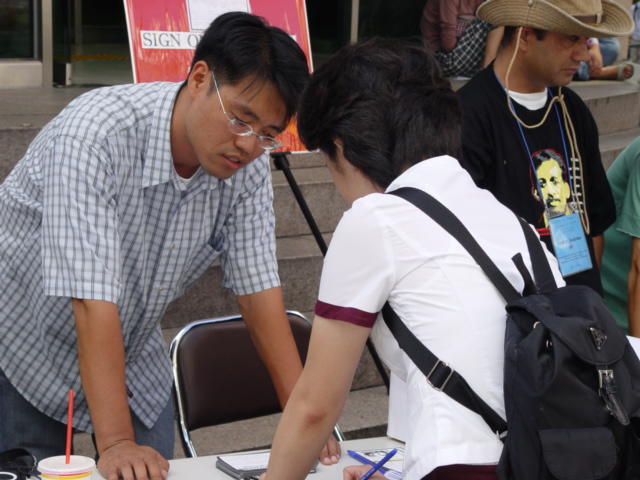
Pictures of the campaign:
Chonam University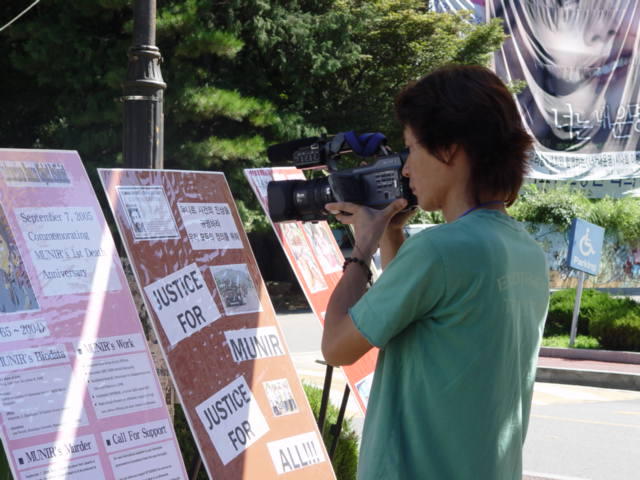

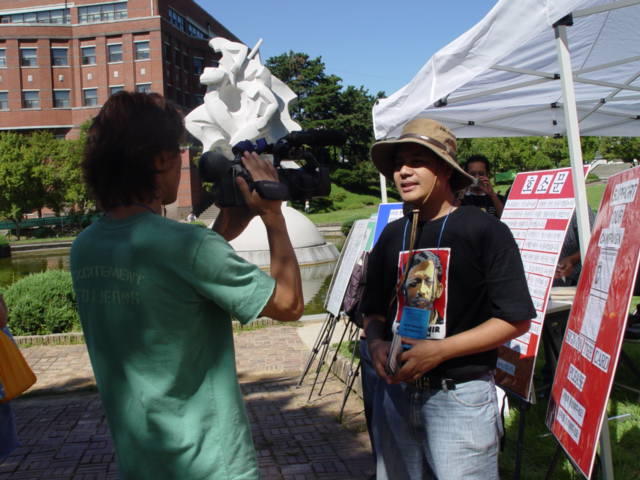

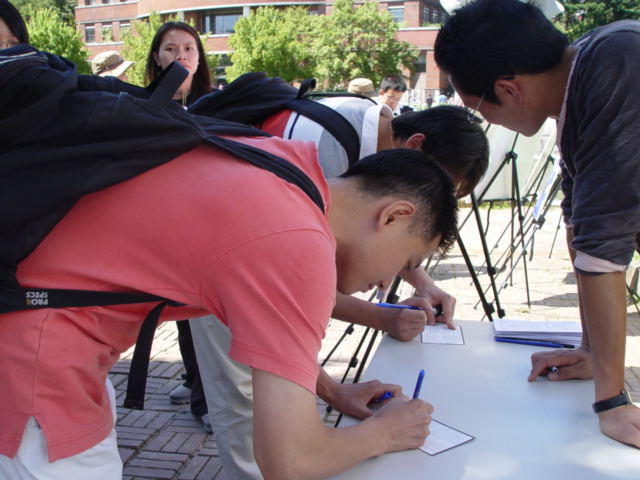

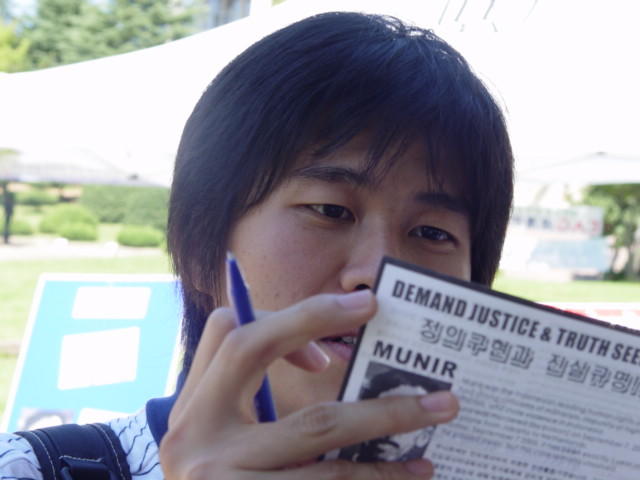
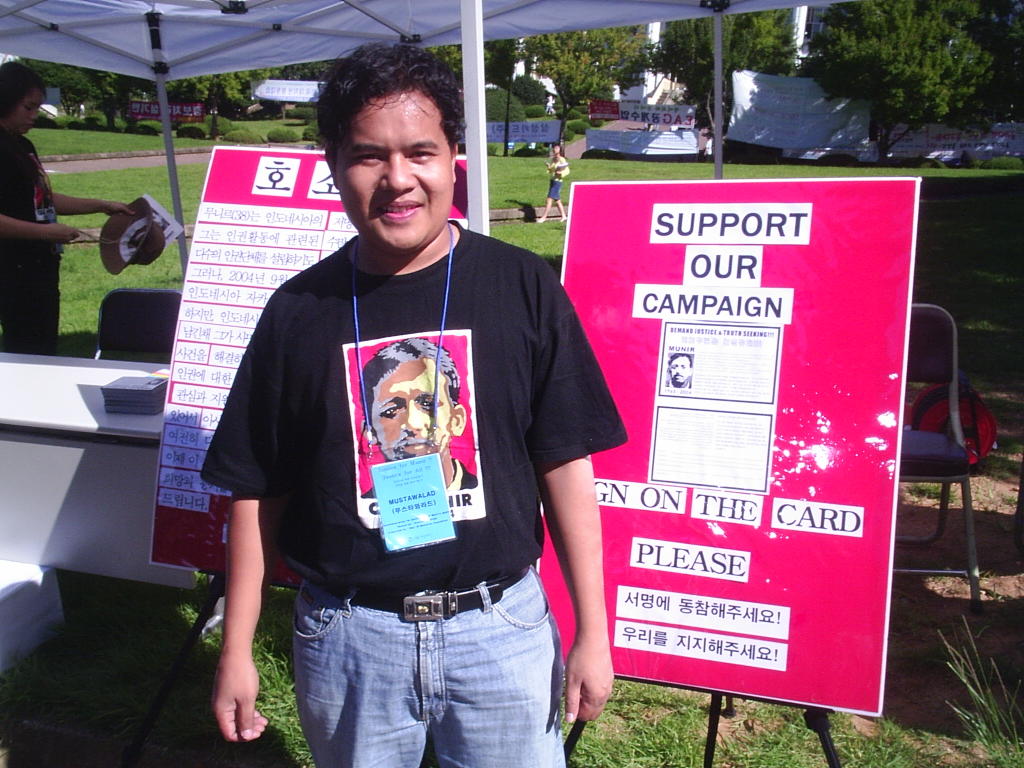

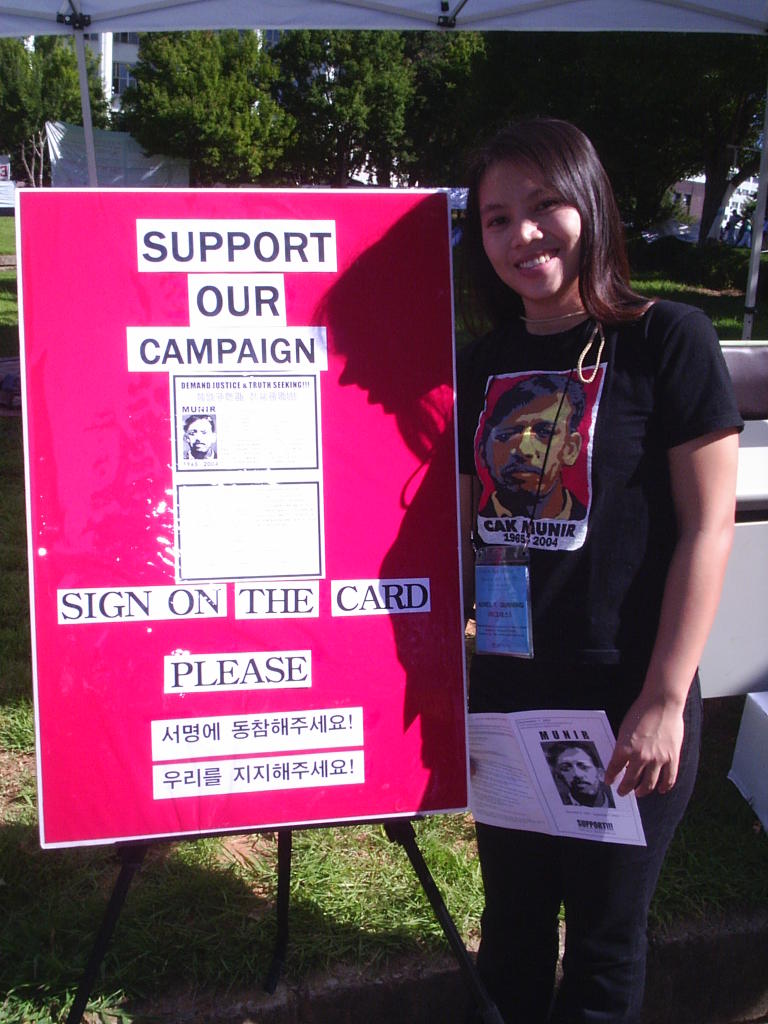
Downtown, In front of Post Office (Close to the Provincial Hall)



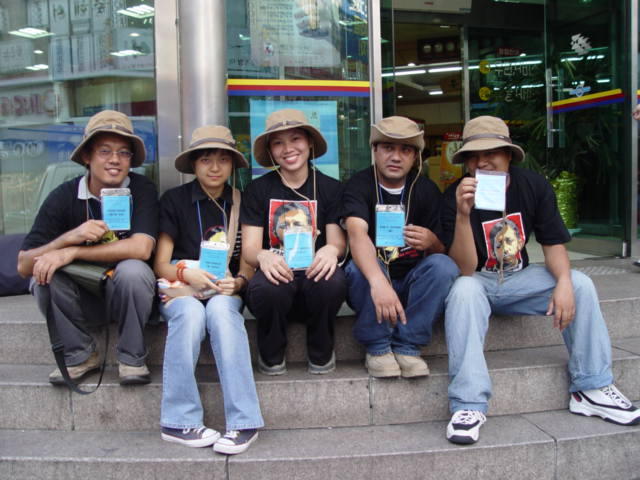
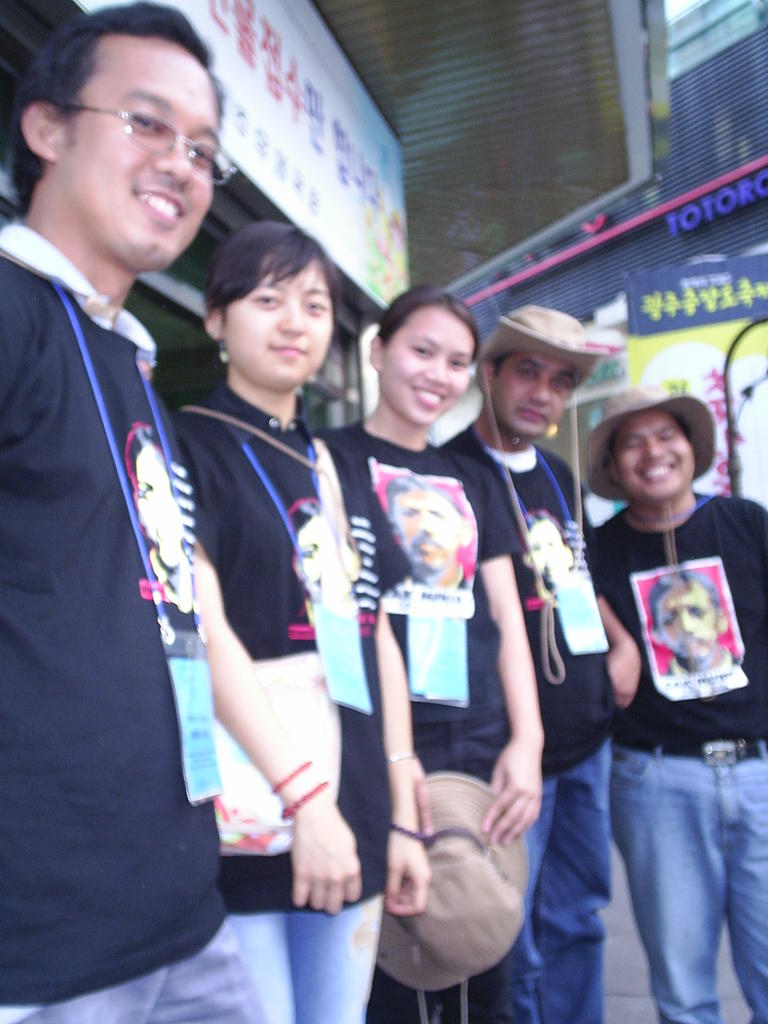
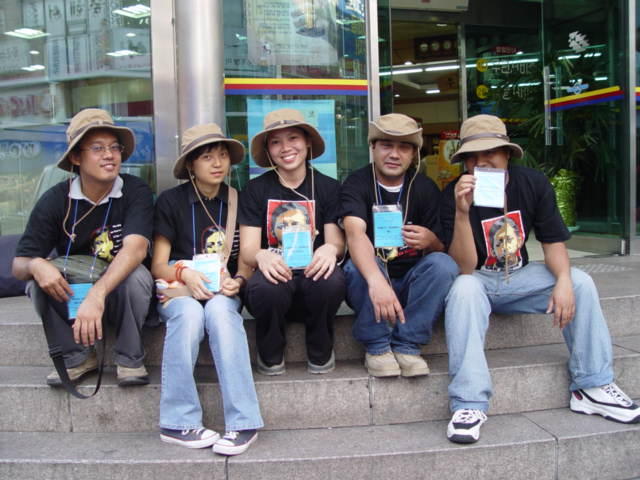
The Magnificient Team all smiles after a hard day's work and they will keep demanding: JUSTICE for MUNIR, JUSTICE for ALL !
Thursday, September 08, 2005
Justice to MUNIR, Justice for ALL !
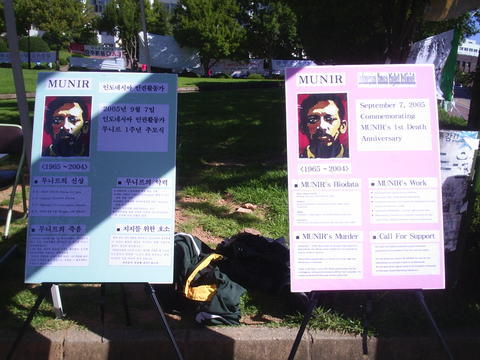
Commemorating the 1st Death Anniversary of Munir
I. Objective
To make use of Munir’s 1st death anniversary to advocate his case to the Korean public by informing and getting their support through signature campaign. This campaign shall serve as contribution to the growing international pressure to Indonesian government to act judiciously on the assassination of Munir. 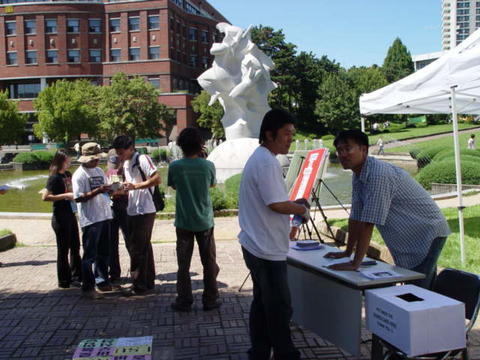

2. Forms of Action
Exhibition using campaign materials such as : Munir’s profile, pictures of human rights situation in Indonesia, and news articles on Munir case.
Spread and distribute leaflets on Munir case.
Gather signature by signing cards of support on Munir case addressed to the Indonesian President Soesilo Bambang Yudhoyono.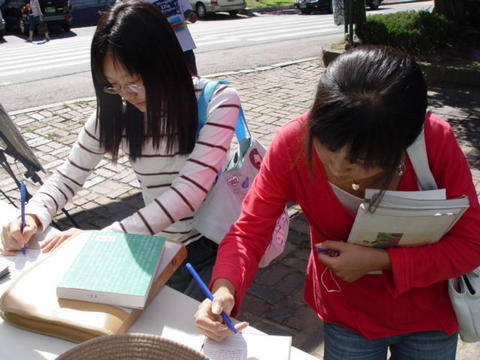
3. Description of Situation
At Chonnam University
We arrived there at about 09.00 AM. It is good that the weather that day was conducive for us to conduct the activity (there was an typhoon forecasted in the news). The wind has dropped down the exhibited boards several times but it did not disturb us so much. We did it at the across of the Student Center building. Many students walked around that area and passed our stand too. Some of us dispersed one by one in some spots around the area and spread the cards/leaflets and approached the people to sign. While the rest stayed in the desk to serve and wait on people who passed around. We kept explaining and informing the case directly to the people there. 
We also played the documentary films about Indonesia’s human rights issue/situation. We got more than half of all cards signed in this location. We left for Down Town at about 01.30 PM.
In Chonnam University, since it is a campus, the audience were mostly students, only few were lecturers. While in Down Town area, the audience is more varied. There are traders, workers, students, youths, monks, children, mothers, and other common people in it.
It means that we have targeted various kinds of people who were representatives of the Korean public. Therefore, it is justifiable to claim that we got the sympathy and support of the Korean public.
At Down Town
We arrived there at about 02.00 PM. We did it in front of the Post Office. It was on a crossroads where people passed by. Like in Chonnam University, some of us dispersed to different spots around the area; spread the cards/leaflets and approached the people to sign. 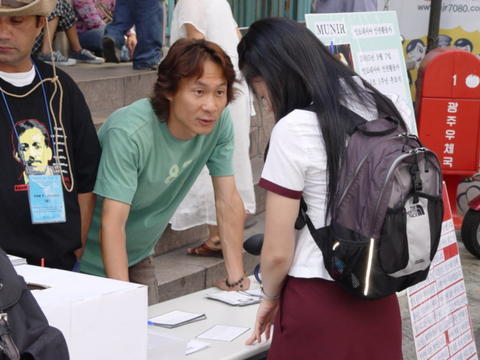
While the rest stayed in the desk (Sang Seon Kim, Jaedae Ko, Cheung Park) to inform and explain the campaigns in detail (obviously the interns can’t communicate in Korean !). The audience there was more varied. The people usually got attracted to the displayed pictures of violence (some were comparing it even to the scenes of the May 18 Gwangju Democratic Uprising). 
Some children look surprised ( I hope not shocked of the display of explicit and gory pictures). They showed their curiosity by asking many questions and giving comments ( So Agnes tried her best to talk to them in English, while they asked in Korean – hmmm wonder of dialogue) . So we explained the matter we were campaigning. We left that place at about 05.30 PM.
4. Result
1. Some photo/journalists came and covered the activity (newspaper – The Namdo Ilbo- at page 2 ! and two online news – www.kjdaily.com and www.moodeungilbo.co.kr wow !).
2. Of the 1000 cards we distributed, 800 were signed and 120 unreturned, only 80 were left empty.
We can conclude that this activity was successful in meeting its goals and objectives. We have concrete evidences as basis for this claim (hurrayyyyy !).
5. Lessons
It is very good to interact directly with Korean public and let them know about Munir case.
We have opportunity to be in touch with various kinds of Korean people (across age, gender, profession, etc. – I believe there were several foreigners as well )
The interns had a good opportunity to show cooperation by doing concrete international solidarity action for this very significant event.
We received full support from May 18 Memorial Foundation.
I personally felt I was not able to fully maximize the opportunity and explain to the public the case due to my lack of language facility.
As a first experiment of organizing and conducting this activity, this is a very good experience for me and for the interns as well.
I hope we can do such activities/ events in the future with better performance. 
(Note: This is a syndicated report of Agnes Gurning of IKOHI, sorry I can't control my fingers to tap the keyboard and introduce my own commentaries- my apology, pete).